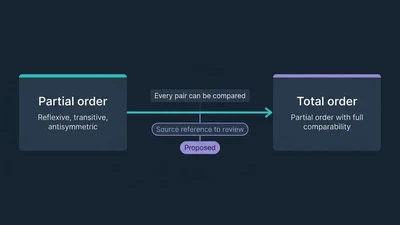
A Course Map Where the Arrows Have to Explain Themselves
The first full microeconomics concept graph makes assumptions and source references part of each connection, giving me something more useful to inspect than a cluster of related …

The first full microeconomics concept graph makes assumptions and source references part of each connection, giving me something more useful to inspect than a cluster of related …
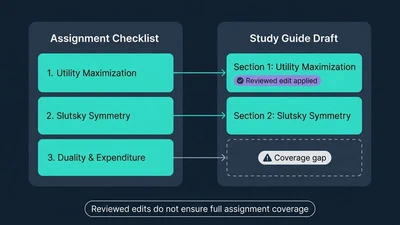
The first microeconomics guide connected selected sources, drafting, and reviewed edits—and showed why the finished guide still needed checking against the assignment.
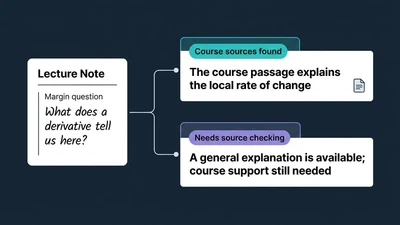
Handwritten questions can lead to saved explanations, with a visible distinction between answers drawn from course materials and answers that still need sources.
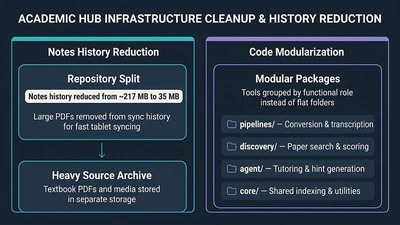
Shrinking the notes history and keeping search records connected when source files move.
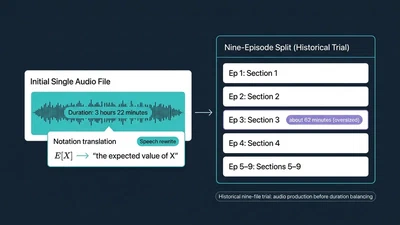
Building audio from mathematical notes meant translating formulas first, then discovering that a valid recording could still be far too long.
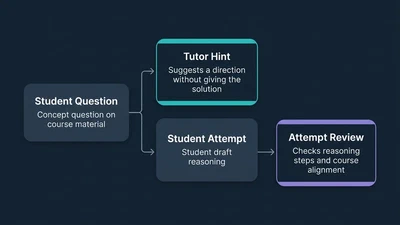
A tutor that gives hints, separates different kinds of reasoning gaps, and checks a solution with a fresh view of the problem.
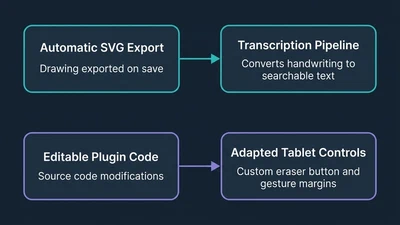
How automatic drawing exports and editable plugins help me connect handwritten notes with course materials and adapt the app to my tablet.
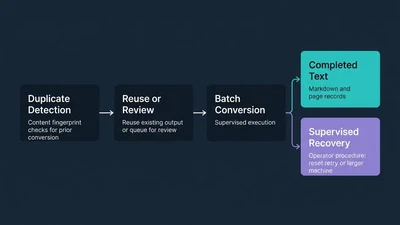
Reusing a textbook across courses and recovering from memory failures make conversion batches easier to supervise.
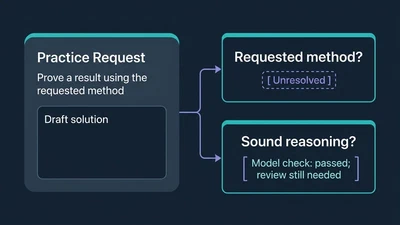
Testing generated exercises revealed two separate questions: does the reasoning hold up, and does it practice the method I asked for?
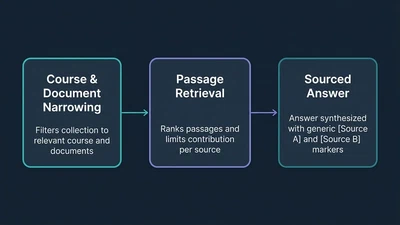
Using passage search and limits on each source's contribution to build answers I can check against textbooks and notes.